

5 Ways Technology Is Changing Logistics Management
A delayed shipment can trigger a chain reaction: unhappy customers, wasted fuel, missed deadlines, and a budget that suddenly looks like it needs emergency treatment. The good news? Technology is giving logistics teams better ways to tackle these headaches, and real world examples of predictive analytics show how data can help businesses anticipate trouble before it becomes expensive. Modern logistics is about more than moving boxes from Point A to Point B. Companies must coordinate vehicles, warehouses, inventory, people, and customer expectations. Digital tools are changing how they handle those tasks. Here are five major shifts worth watching.
Real-Time Tracking Improves Shipment Visibility
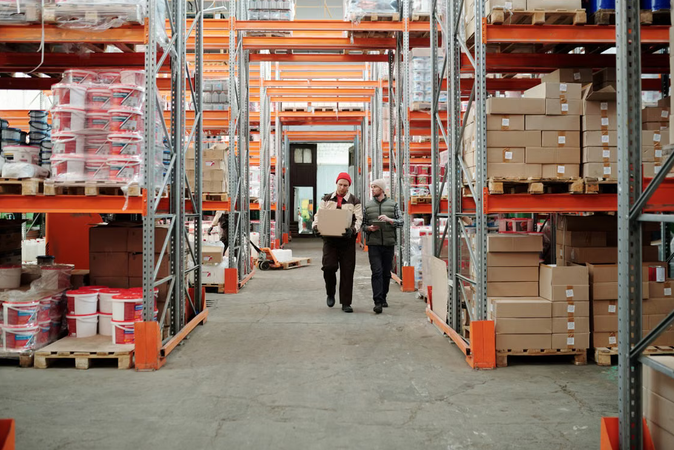
Remember the frustration of waiting for a delivery with no clue where it is? Businesses face the same problem on a much larger scale when shipments cross cities, borders, and distribution hubs. GPS trackers, connected sensors, and digital fleet platforms can provide updates on vehicle locations and delivery progress. That information helps dispatchers spot delays and communicate changes before customers start calling. Better visibility also helps teams respond to problems faster. If a truck gets stuck in traffic, a manager may assign another route or update the estimated arrival time. Sensors can even monitor conditions such as temperature for sensitive goods.
Predictive Analytics Helps Teams Anticipate Disruptions
Why wait for a problem to hit when data might provide an early warning? Predictive analytics examines historical records and current information to estimate what could happen next. Logistics teams can use it to forecast demand, identify delay risks, and anticipate maintenance needs. That gives decision-makers more time to act instead of scrambling after the damage is done. For example, a retailer may analyze past sales, seasonal trends, and current orders to estimate which products will sell fastest next month. The company can then adjust inventory and transport capacity before demand spikes. Forecasts aren’t crystal balls, though. Their accuracy depends on data quality, changing conditions, and how well the models reflect actual operations.
Automation Speeds up Warehouse Operations
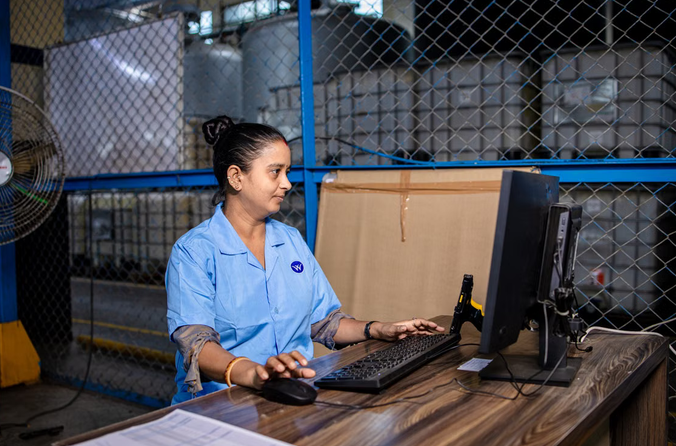
Warehouses can become bottlenecks when orders pile up, and workers must locate, pick, pack, and sort every item manually. Automation tools help reduce repetitive work and keep goods moving. Barcode scanners, automated sorting systems, warehouse management software, and picking robots can support faster order processing. Used properly, these tools also reduce certain manual errors. Automation doesn’t mean every warehouse needs a fleet of futuristic robots rolling around like a science fiction movie. A smaller operation might gain plenty from barcode scanning and better inventory software alone. The right setup depends on order volume, product types, available space, and budget. Businesses should measure the actual time and error savings before investing in expensive equipment.
Route Optimization Cuts Unnecessary Costs
A delivery route that looks short on a map may be a nightmare during rush hour. Route optimization software can assess traffic, delivery windows, vehicle capacity, road restrictions, and stop locations to recommend more efficient journeys. Dispatchers can use these insights to reduce unnecessary mileage and improve delivery schedules. Less wasted driving can also mean lower fuel consumption. The benefits reach beyond fuel costs. Better route planning can help drivers complete more deliveries within their working hours and reduce late arrivals. However, plans must adapt when accidents, weather, or urgent orders disrupt the schedule. Combining optimization tools with real-time traffic information gives logistics teams a stronger chance of responding quickly.
Connected Systems Strengthen Decision Making

Logistics data often sits in separate systems for inventory, purchasing, transport, and customer service. When these tools cannot share information, teams may work with conflicting numbers or miss important updates. Integrated platforms bring relevant information together, giving managers a clearer view of operations. They can spot bottlenecks, compare performance, and coordinate decisions across departments. Connected systems also help businesses measure key performance indicators, such as delivery times, order accuracy, and transport costs. Yet technology alone won’t fix poor processes or unreliable data. Staff need suitable training, clear procedures, and strong data security practices. A well-planned rollout matters just as much as the software itself.
Technology is reshaping logistics through real-time tracking, predictive analytics, automation, route planning, and connected systems. The smartest investment starts with a specific business problem. In logistics, getting ahead of a problem can be far cheaper than chasing it down the road.…